Every freezer in Shelby holds at least one baked good that went in hopefully and came out sorry. The usual explanation is that freezing ruins baking, full stop. The truth is more specific and more useful: freezing is excellent for some items, indifferent to others, and unkind to a short list, and the difference is mostly moisture, fat, and how the item was wrapped. Sorting the common claims into true, false, and it-depends turns a superstition into a method.
True: wrapping matters more than temperature
Freezer burn is not cold damage. It is drying, caused by air reaching the surface and pulling moisture out over weeks. A cookie sealed in a rigid container with as little air as possible can taste fresh after a month. The same cookie loose in a half-open bag tastes stale in a week, at the same temperature. Double wrapping, plastic against the item and foil or a freezer bag outside it, is the single highest-value step in the whole process, ahead of any gadget.
Also true: freeze at the peak. Freezing pauses staling and mold almost entirely, but it preserves the item as it was on the day it went in. Day-old bread freezes into day-old bread. The habit that works is deciding on day one what will be eaten fresh and what gets frozen, then freezing the second group immediately, while it is still the best version of itself.
| Claim | Verdict | What actually happens |
|---|---|---|
| Freezing ruins all baked goods | False | Cookies, muffins, and breads freeze very well when wrapped tightly; texture loss usually traces to air and slow thawing, not the cold. |
| Thaw everything on the counter | It depends | Breads and cookies thaw fine on the counter, but pies and frosted cakes do better thawing wrapped in the fridge to control condensation. |
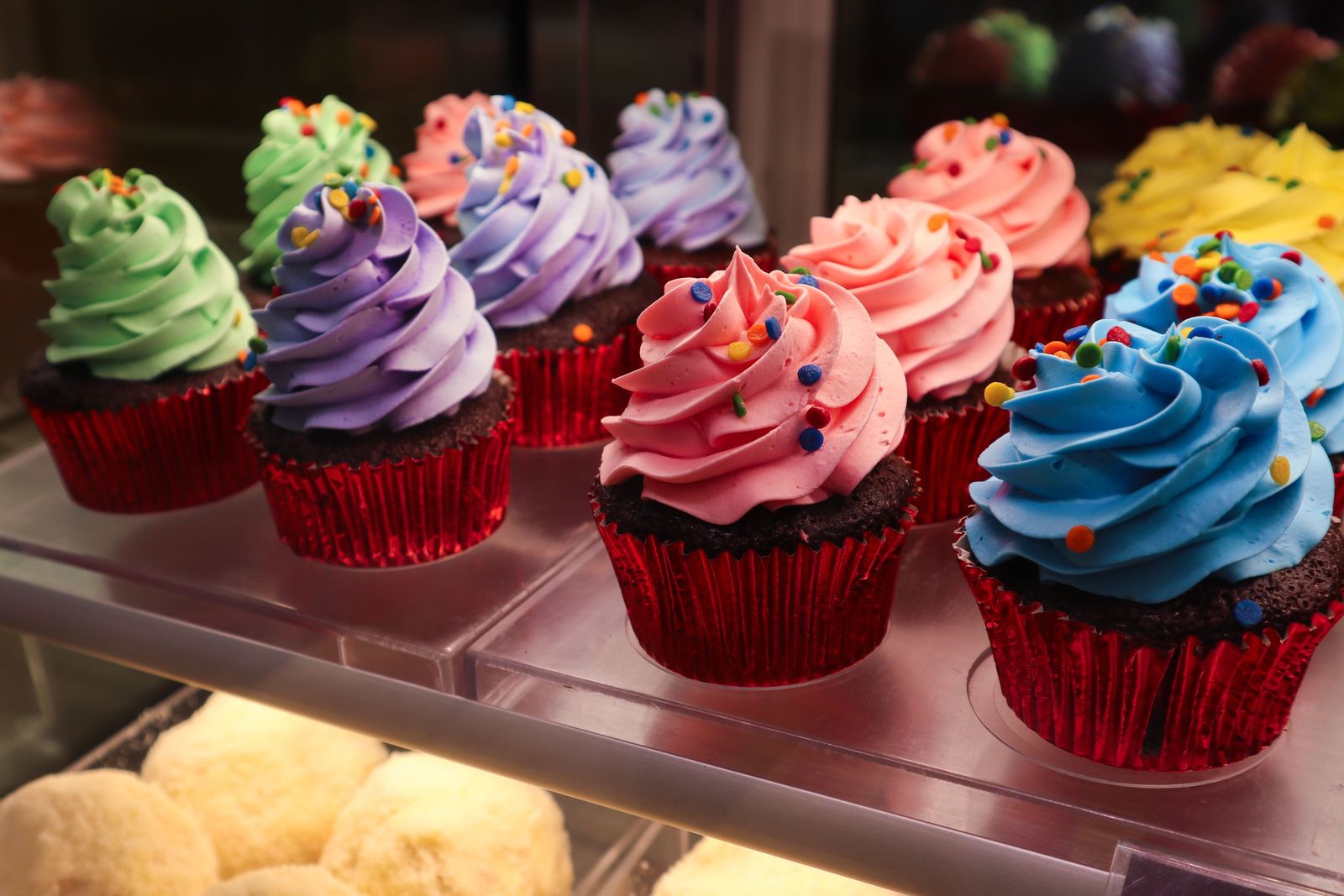
| You can freeze a frosted cake | True | Chill the cake first to firm the frosting, then wrap. Buttercream freezes well; whipped cream frosting does not. |
| Refreezing is always unsafe | False | Items thawed in the fridge and kept cold can be refrozen safely, though texture drops with each cycle, so portion first. |
| Pie freezes the same raw or baked | It depends | Fruit pies freeze well both ways; custard and cream pies turn watery and grainy, and meringue weeps in the freezer. |
It depends: cookies, muffins, pies, breads
Cookies are the freezer's best citizens. Most doughs freeze beautifully before baking, and baked cookies keep for weeks; a short rest in a low oven brings back crisp edges. Muffins freeze well whole and reheat from frozen, though streusel tops soften. Pies split by filling, as the table shows: fruit and nut fillings are reliable, custards are not. Breads freeze best sliced, so you can toast single pieces instead of thawing a loaf you will not finish.
The common thread is water placement. Items where water is bound up in fat, sugar, and starch survive freezing because ice crystals have less free water to disrupt. Items built on delicate emulsions and gels, like custard and meringue, give up their structure when that water freezes and thaws. Knowing which family your item belongs to predicts the result before you wrap anything.
False, mostly: the refresh step is optional
Thawed bread eaten straight from the counter is often fine but rarely good. Ten minutes in a moderate oven recrisp a crust and loosens a crumb that freezing firmed up, and cookies benefit from the same short treatment. Skipping the refresh is how good freezing gets a bad reputation: the method worked, the last step was dropped, and the freezer took the blame. At Phyllis' Sweet Shop in Shelby, the same logic applies to anything you carry home for later in the week: what you freeze well still deserves a proper thaw.
One more practical note: label everything with the item and the date. Freezers erase memory with remarkable efficiency, and a mystery package is usually a wasted package. A month is a comfortable target for most baked goods, three months the outer edge for breads, and anything beyond that is a donation to the back of the freezer.
The thaw is half the method
Most freezing advice ends at the freezer door, but the thaw decides what you actually eat. Bread and cookies thaw best still wrapped, so the moisture that leaves during thawing lands on the wrapping instead of escaping, and a short oven refresh finishes the job. Cakes and pies prefer a slow fridge thaw for the same reason a fast counter thaw sweats. Plan the thaw when you plan the freeze: write the serving day on the calendar at the same moment the label goes on the package. It sounds fussy until the first time a pie is needed at noon and discovered, frozen solid, at eleven.
Common questions
What baked goods should never be frozen?
Custard and cream pies, meringue toppings, and whipped-cream frostings break down in the freezer. Their fillings turn watery or grainy after thawing.
Is it better to freeze cookie dough or baked cookies?
Both work. Dough gives you fresh-baked cookies on demand, while baked cookies are ready after a short thaw and a few minutes in a low oven.
How do I stop freezer burn on a cake?
Chill the cake to firm the frosting, wrap it tightly in plastic, then add foil or a freezer bag with the air pressed out. Air contact is what causes freezer burn.
Photos in this guide are representative stock images.
← All guides from Phyllis' Sweet Shop← Back to Phyllis' Sweet Shop