Gluten-free baking is often described as regular baking with a different flour swapped in. Anyone who has eaten the result knows that is not how it works. Remove wheat and you remove gluten, the protein network that traps air, gives bread its chew, and holds a cake together, and everything else in the recipe has to change to compensate. This guide walks through what actually changes, and how those changes play out across a year of baking and buying in Shelby.
What gluten was doing all along
Gluten forms when wheat flour meets water and mixing. It stretches, traps the gas that yeast and baking powder produce, and sets during baking into the structure you slice. Without it, batters behave more like thick porridge than dough, baked goods crumble at the cut, and moisture escapes faster, which is why day-old gluten-free bread can taste tired even when regular bread from the same day is fine. Good gluten-free recipes are not substitutions. They are separate recipes engineered around the absence.
The replacements and their trade-offs
Binders do gluten's holding job. Xanthan gum and psyllium husk are the common ones, each with a personality: xanthan gives batter elasticity in tiny amounts, psyllium gives bread a more sliceable, moist crumb. Starches like tapioca and potato lighten texture, rice flour gives body, and nut and oat flours bring flavor and tenderness along with faster browning. Most successful blends combine several flours precisely because no single one replaces wheat.
| Season | What changes in gluten-free baking | Practical move |
|---|---|---|
| Spring | Pollen season gatherings and school events raise cross-contact questions | Ask how items are stored and displayed, and buy wrapped goods for mixed groups |
| Summer | Piedmont humidity softens crisp gluten-free crusts and cookies faster | Store airtight with a short counter life; refresh cookies briefly in a low oven |
| Fall | Holiday pie and dressing season arrives, where crusts are the hardest swap | Order specialty items early; gluten-free crusts are small-batch work |
| Winter | Baking at home increases, and flour blends behave differently in dry heated air | Weigh flour, rest batters to hydrate, and expect slightly longer bake times |
Texture is the honest test
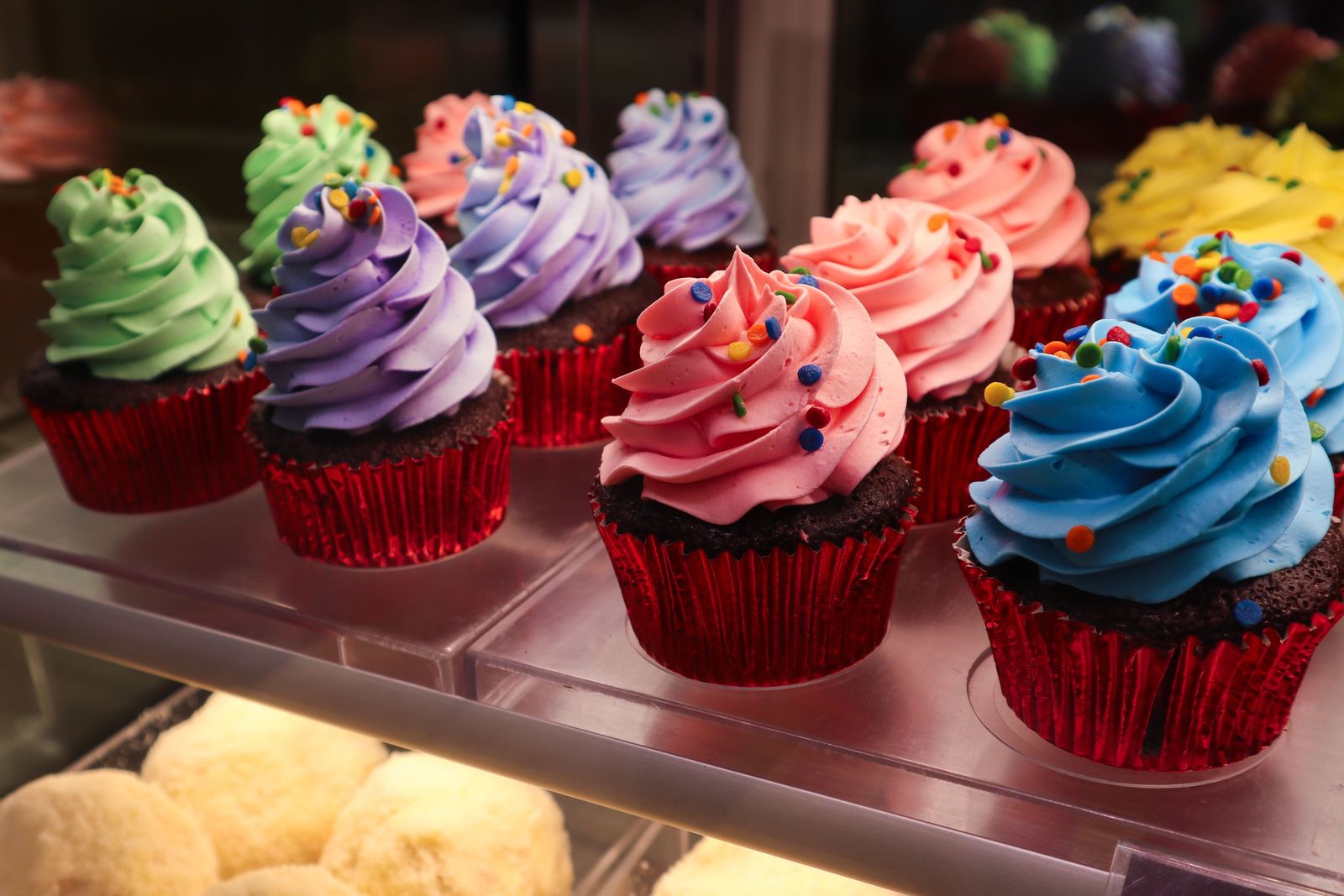
A good gluten-free cupcake should be tender and moist on day one, with a crumb that slices instead of shattering. Gummy centers usually mean underbaking or too much starch; dry, sandy crumb usually means the blend lacked binders or the item sat too long. Because gluten-free goods stale faster, freshness matters even more than usual. Buying smaller amounts more often beats stocking up, and freezing, done tightly wrapped on day one, preserves gluten-free bread better than any counter trick.
Home bakers should also rest their batters. Rice-based flours hydrate slowly, and a twenty to thirty minute rest before baking removes the gritty texture that gives gluten-free baking its worst reputation. Weighing ingredients helps too, because alternative flours pack and scoop very differently from wheat flour, and a recipe balanced by weight can drift badly by volume.
Cross-contact, stated plainly
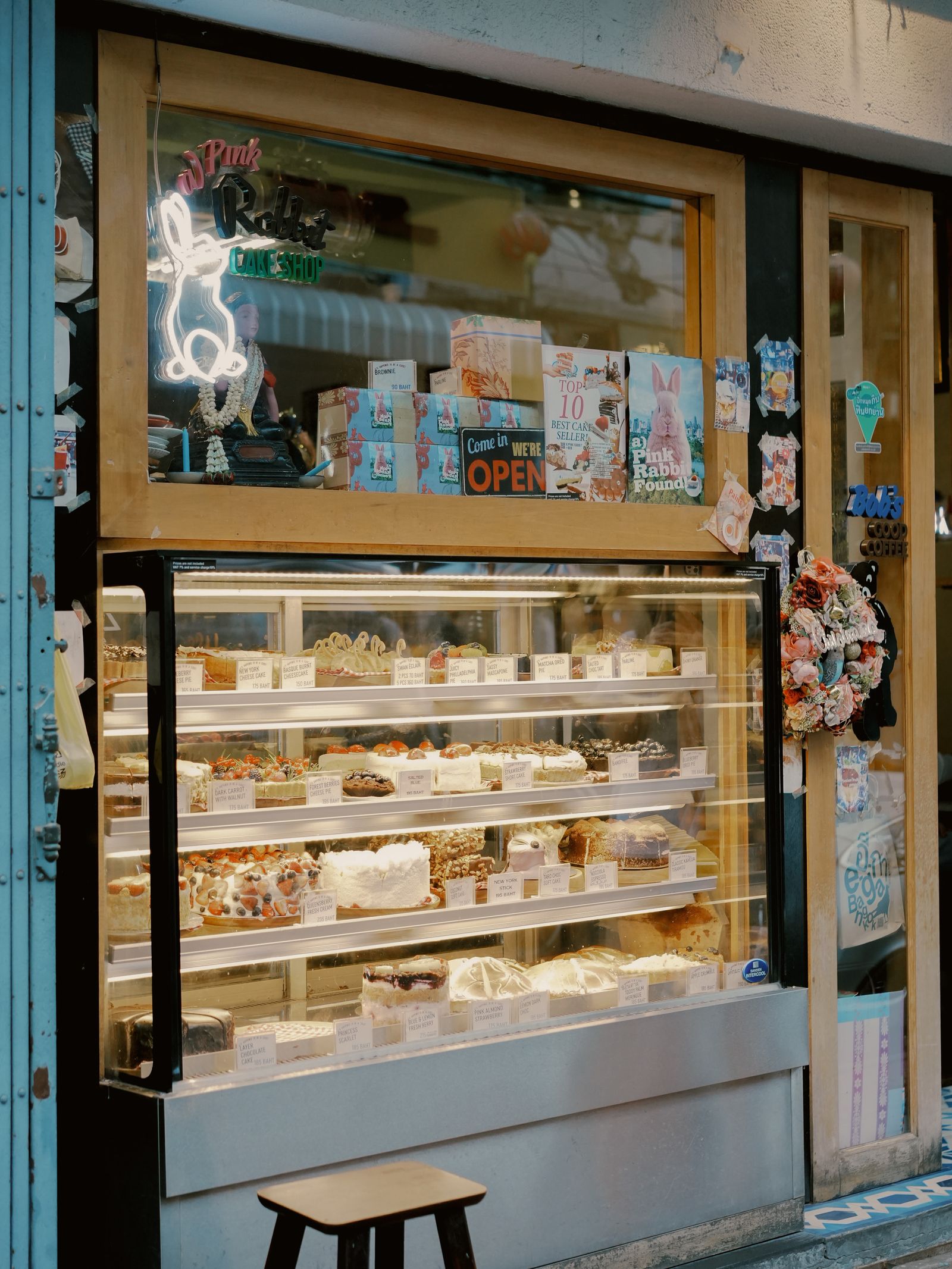
For people with celiac disease, the recipe is only half the question. Shared ovens, shared scoops, and flour dust in a working bakery all matter, and shops vary in what they can honestly promise. Ask directly how gluten-free items are made and stored, and listen for specifics. A careful answer about separate tools and wrapped storage means more than a broad assurance, and a bakery that says its kitchen is not safe for celiac customers is giving you useful honesty, not poor service. At Phyllis' Sweet Shop, as anywhere in Shelby, the right question gets the right information.
Reading a label like a baker
Labels on gluten-free flour blends reward a close read. The first two ingredients make up most of the bag, so a blend led by rice flour and starch will bake light and mild, while one led by sorghum, oat, or nut flour will taste more assertive and brown faster. The presence of xanthan gum or psyllium in the blend tells you whether you need to add a binder yourself; adding more on top of a blend that already contains it produces gummy, dense results. And because these blends absorb liquid differently from wheat flour, recipes written for one named blend often disappoint with another. Match the bag to the recipe, weigh your ingredients, and keep notes for a month of bakes. Gluten-free baking rewards record-keeping more than almost any other kind, because the variables are invisible until the crumb tells you about them.
Common questions
Can I swap gluten-free flour one-for-one in a regular recipe?
Sometimes in simple cakes, but breads and structured bakes usually fail. Gluten-free blends need binders and adjusted liquid, so use recipes written for them.
Why does gluten-free bread go stale so fast?
Without gluten's network, moisture escapes the crumb faster. Slice and freeze it on day one, then toast slices from frozen for the best texture.
Is gluten-free the same as safe for celiac disease?
Not automatically. Ingredients may be gluten-free while shared equipment introduces cross-contact, so ask how items are prepared and stored.
Photos in this guide are representative stock images.
← All guides from Phyllis' Sweet Shop← Back to Phyllis' Sweet Shop