The case is full when a Shelby bakery opens in the morning, and that fullness looks effortless only because nobody watched it happen. Behind it is a start time around 3 a.m., a proofing schedule worked out the night before, and an oven order that puts the longest bakes first. Understanding that rhythm explains a lot of bakery life in every season: why some items sell out by nine, why bakers talk about the weather like farmers, and why the first hour after opening is the best hour to buy. That rhythm is the daily routine at Phyllis' Sweet Shop.
The night before does half the work
Morning baking starts the previous afternoon. Slow doughs are mixed and held cold overnight, a process called retarding, which lets flavor develop and spreads the labor across two days. Fillings are made, pans are lined, orders are stacked in the sequence they will be baked, and the first baker in the door follows a list rather than inventing one at 3 a.m. in the dark. When that prep slips, the whole morning runs late in ways customers can taste.
Proofing is the clock that cannot be hurried honestly. Yeast works at its own pace, faster in a warm humid Piedmont summer kitchen, slower on a January morning when the building starts cold. Bakers adjust with water temperature, room placement, and timing, but a dough that needs ninety minutes needs ninety minutes. This is the deep reason bakeries start so early: the dough's schedule, worked backward from opening, lands at 3 a.m. all by itself.
Signs of a bakery morning done right
- The case is full at opening, not filling gradually through the first hour.
- Crusts are crisp and deep-colored in the morning, a sign of a properly hot first bake.
- Different items appear in waves, with long bakes first and quick items last.
- Day-old goods, if sold, are marked plainly and priced as what they are.
- The baker can tell you what time an item came out of the oven without guessing.
- Sellouts happen by item, not across the whole case at once.
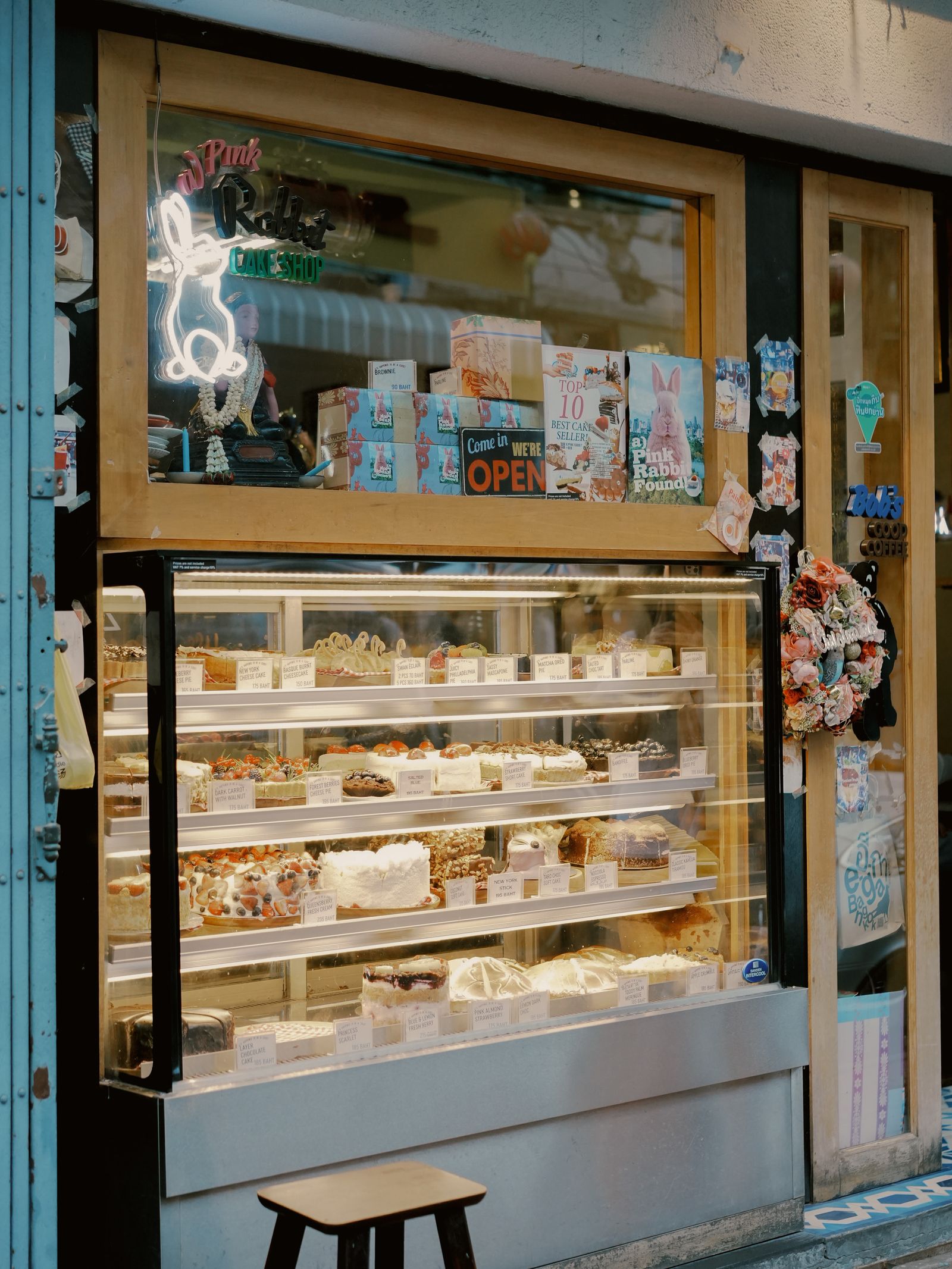
Oven order is a strategy
Ovens take time to heat and hold different temperatures for different work, so bakers sequence the morning: dense breads and pies that tolerate a long bake go in early, delicate pastries and frosted items finish later and never share space with anything that steams heavily. Each opening of the door costs heat, so loads are planned full. A seasonal shift changes the plan, too. Summer humidity can overproof dough left too long, winter cold slows the first rise, and holiday weeks add whole categories to the list without adding a single hour to the night.
This is also why special orders have cutoffs. An order is not one more item tossed onto a tray. It is a slot in a sequence built the day before, and inserting it at the last minute moves everything behind it. The 3 a.m. start is not tradition for its own sake. It is the only start time that lets the sequence finish by opening.
What this means for your timing
Buy early for crust and choice. The first two hours after opening offer the full case at its freshest, before popular items sell through. If your favorite sells out by nine, that is the market speaking, and the fix is an order placed ahead rather than a later arrival and a hope. Seasonal items turn over fastest of all, since they are baked in smaller batches to test demand.
There is a quieter benefit to the early visit in Shelby: mornings are when bakers have thirty seconds to talk. Ask what is coming out next, what is best today, and what to order ahead for the weekend. That conversation, impossible during the lunch rush, is how regulars end up with the good box set aside.
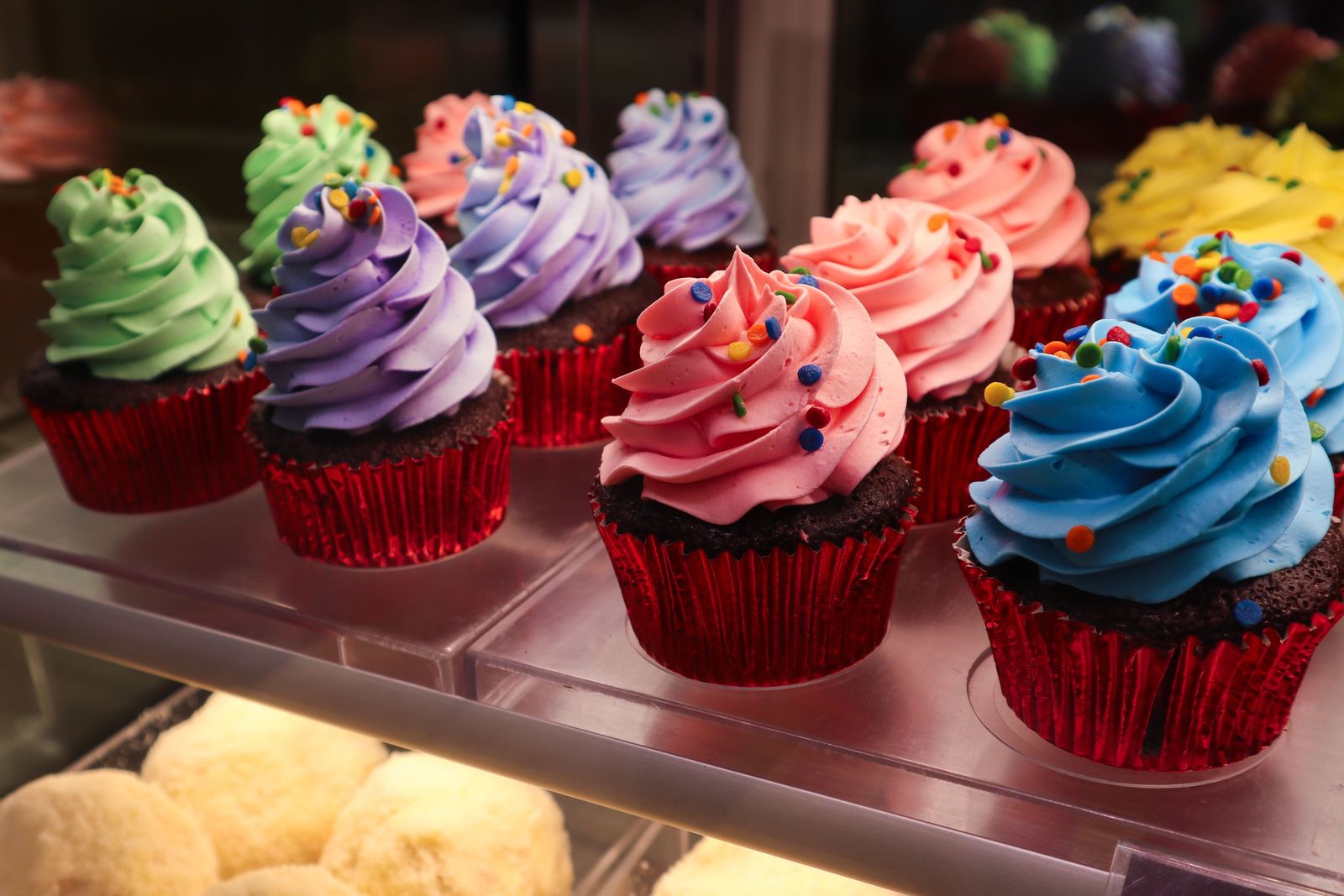
The human side of the schedule
It is worth remembering that the 3 a.m. start is worked by people whose days run opposite to their customers. Bakers finish when others break for lunch, sleep in the afternoon, and plan their lives around a clock most of Shelby never sees. That schedule is one reason experienced bakers are hard to replace and why a good bakery guards its morning crew carefully. When the case is full and the first tray comes out right on a cold, slow-proofing January morning, that is not luck. That is somebody who read the dough correctly at an hour when most of us would read nothing correctly at all.
Common questions
Why do bakeries start work at 3 a.m.?
Proofing and baking times worked backward from opening land there. Dough needs one to two hours to rise, and ovens must run several full loads before the case can be full at open.
Why does my favorite item sell out so early?
Batch sizes are set the day before based on typical demand. Consistent early sellouts are a signal to order ahead rather than arrive later.
Does weather really affect baking?
Yes. Heat and humidity speed proofing and soften crusts, while cold slows fermentation. Bakers adjust water temperature and timing with the seasons.
Photos in this guide are representative stock images.
← All guides from Phyllis' Sweet Shop← Back to Phyllis' Sweet Shop